AI-native Design and Prototyping

I combine UX/UI design, creative direction and generative AI into visual systems, interactive prototypes and smarter workflows for digital products, brands and complex content.

Goal & Intention
Research
Concept
Creative Direction
TextControl

Language becomes the interface: intention, style and system logic become controllable.

ImageAtmosphere
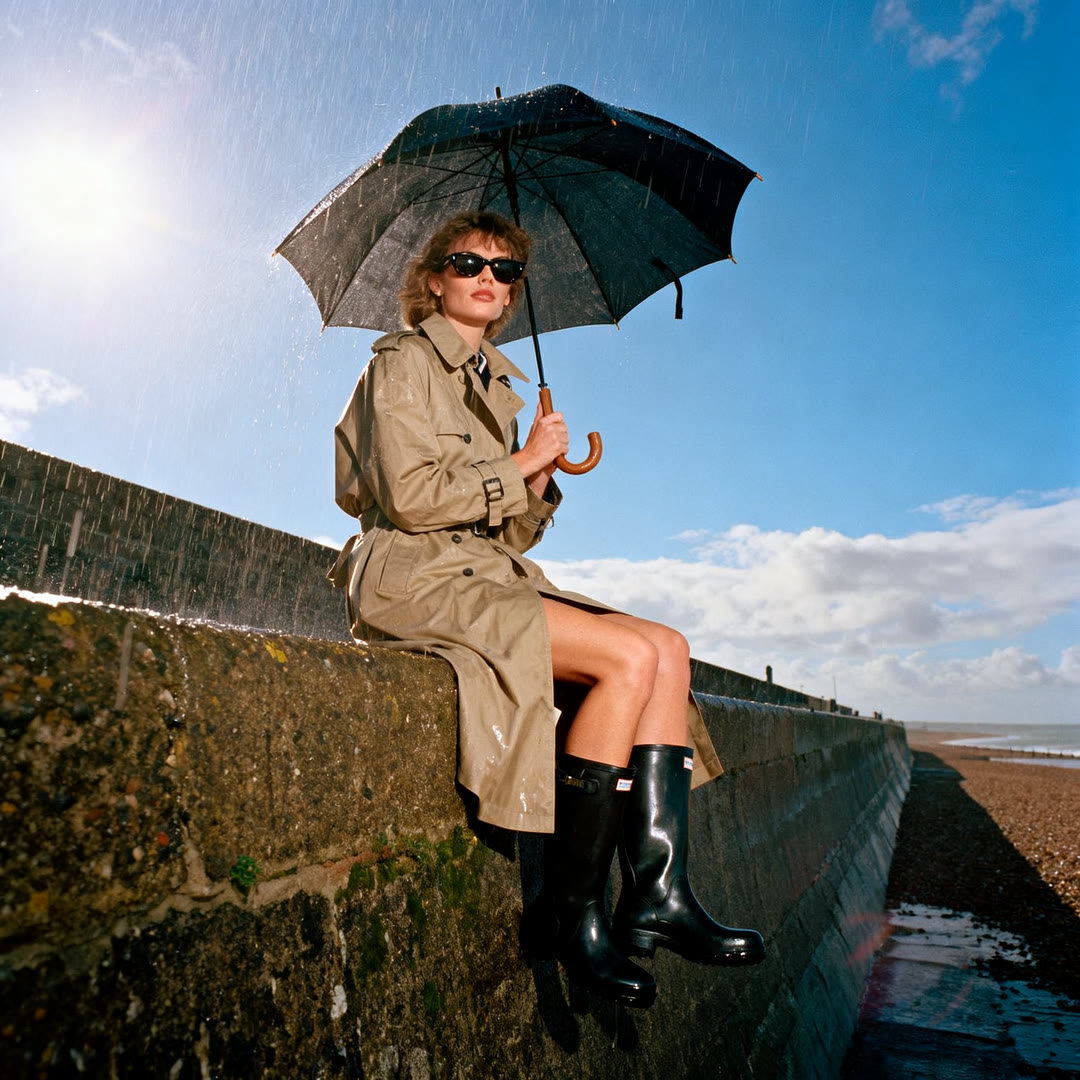
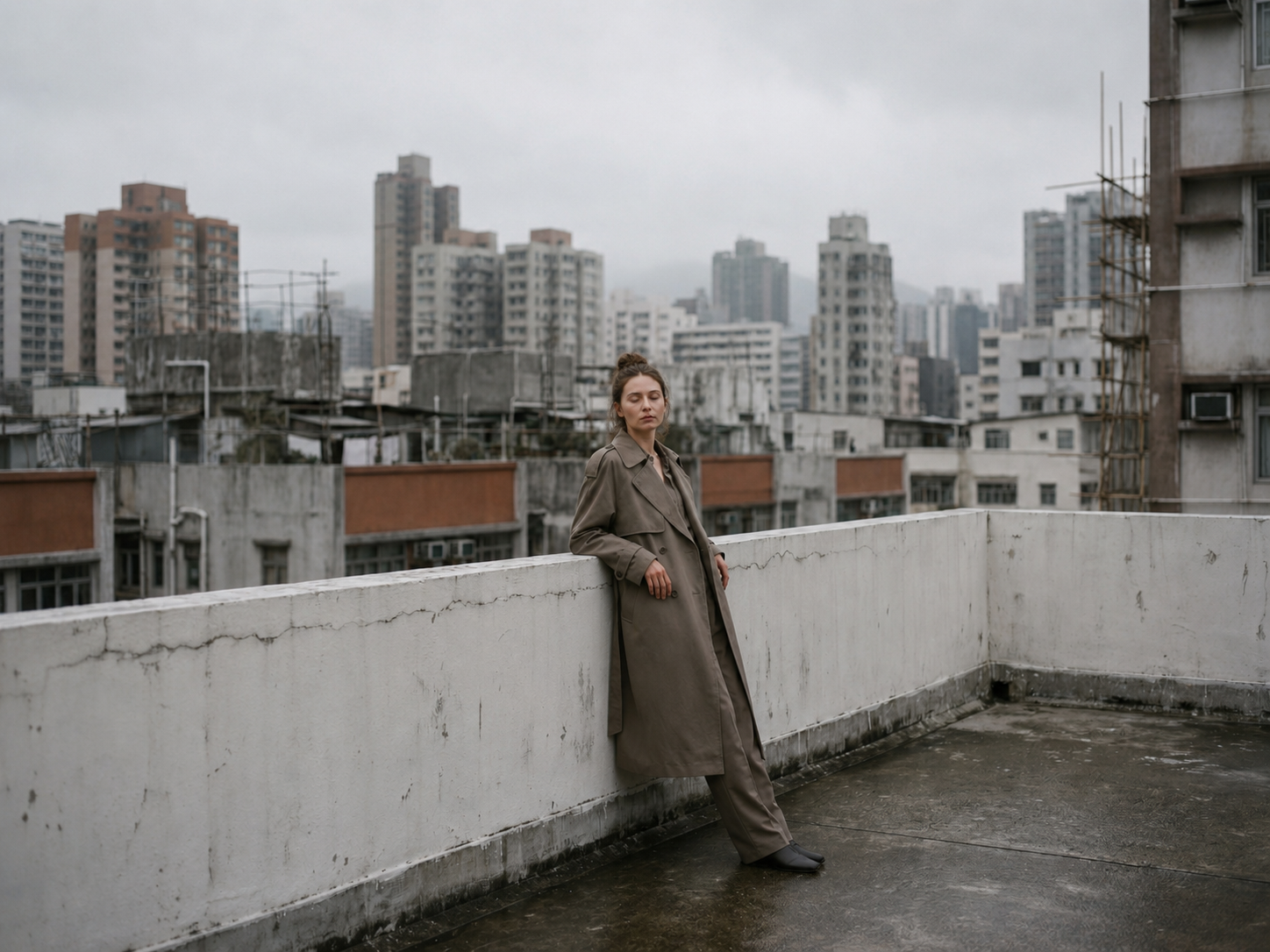
AI-generated fashion editorial: woman on a rooftop terrace in front of an urban skyline
Visual System
VideoMotion
Automation
Testing
Coding
User Experience
When everything gets faster, direction matters even more.

AI-native Approach

Ideas become real earlier, concepts are thought bigger.

Faster path to robust prototypes

With vibe coding, interfaces, flows and product ideas become visible, testable and tangible as working prototypes early on. This reduces friction in dev handoff because behavior, logic and technical requirements become more concrete.
Less manual repetition

Scripts, macros, small tools and plugins take over complex or recurring tasks, or automate them completely, for example in Excel, analysis or content processes.

Better content and clearer structures

Studies, documents, data and requirements can be developed, structured and evaluated more deliberately, then translated into clear decisions.

More variants without losing direction

Generative media, visual worlds, music, sound and multilingual voices can be guided into a clear design direction while quality and taste remain controlled.

Workflows instead of isolated prompts

Prompts, data, models, tools, voice agents and human review are connected into repeatable processes.

Validate design decisions earlier

Ideas, components, design systems and code can be compared and checked more thoroughly against user needs, brand impact and technical requirements.

Early AI Moment

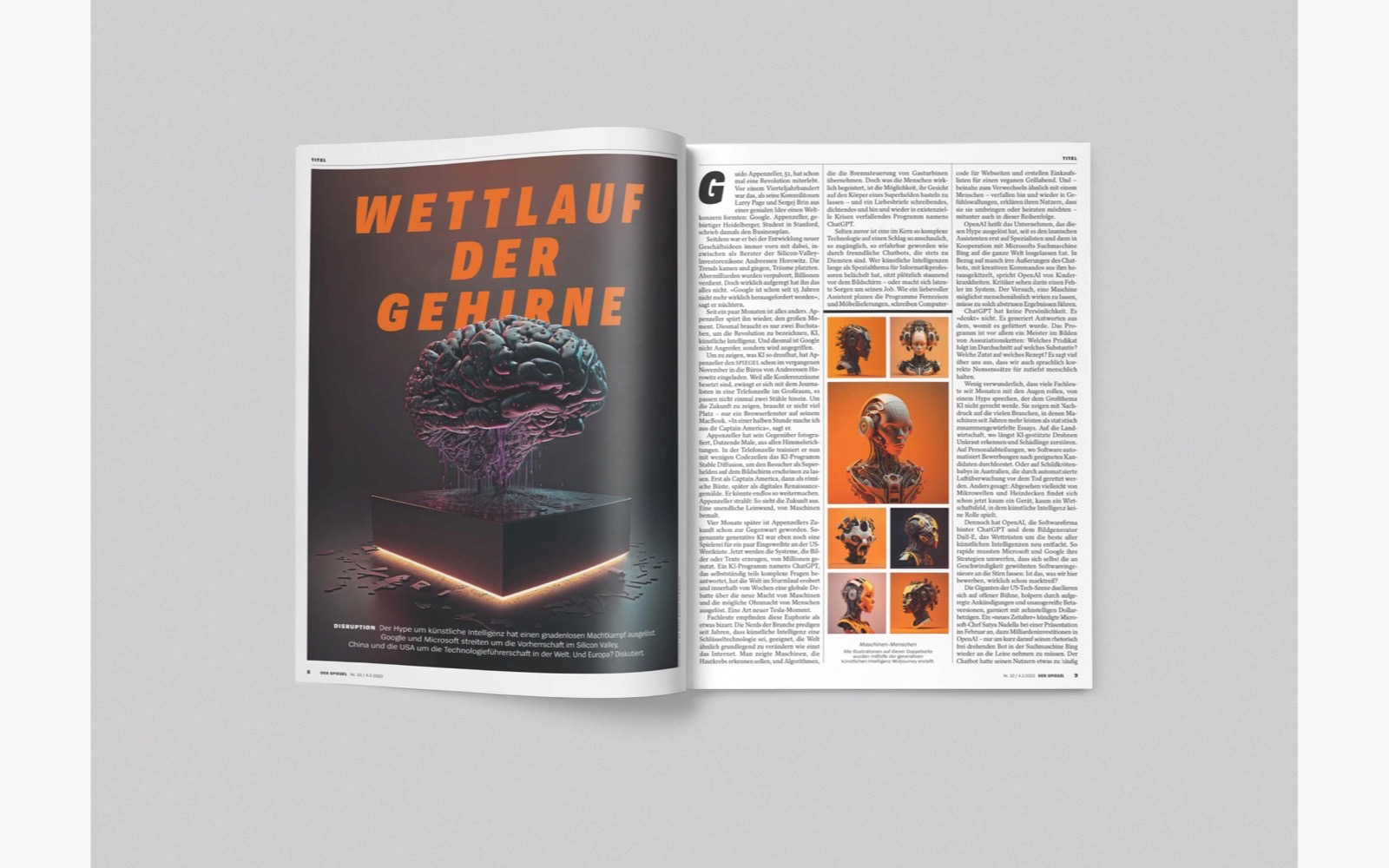
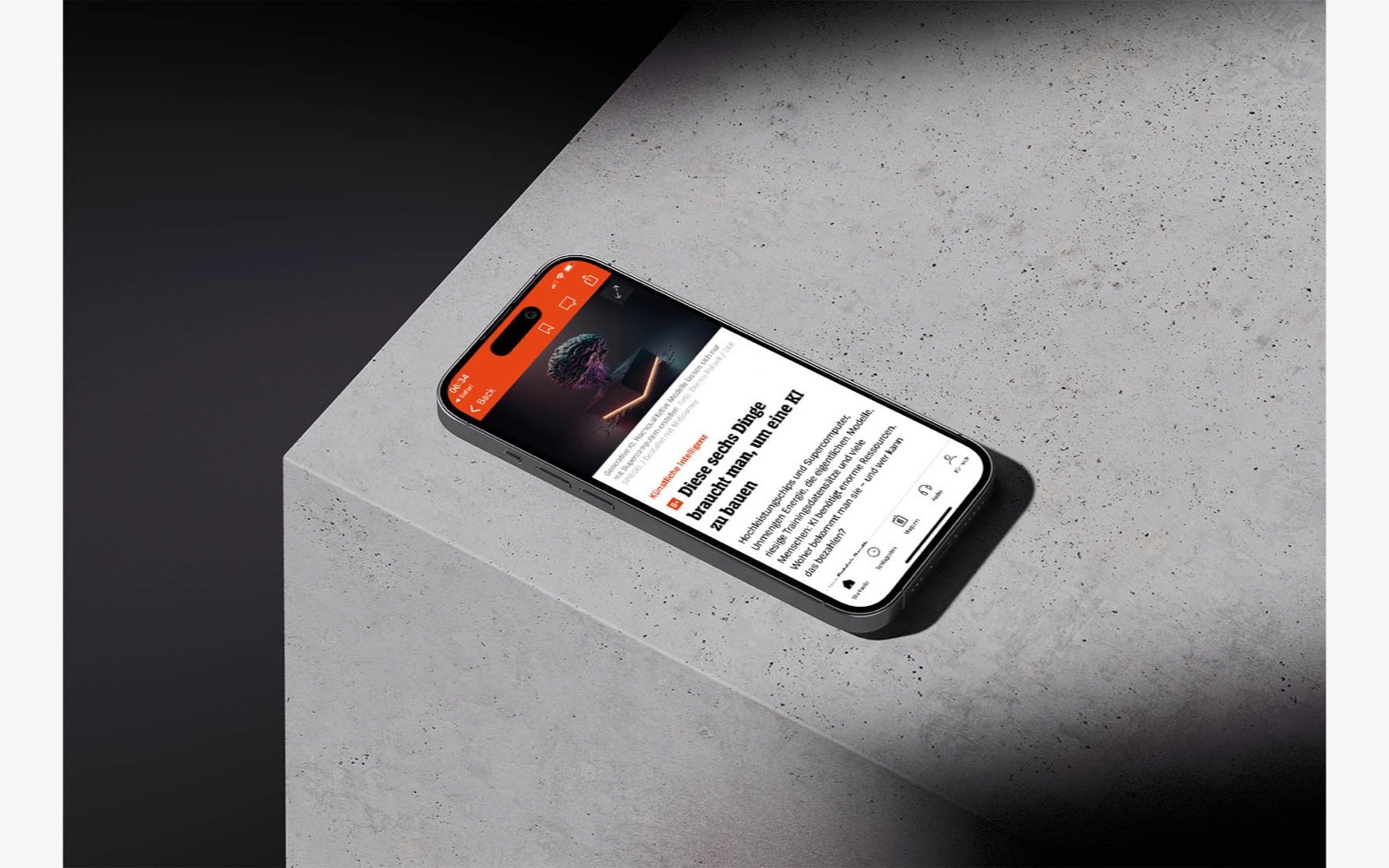
When the first GenAI hype became visible.

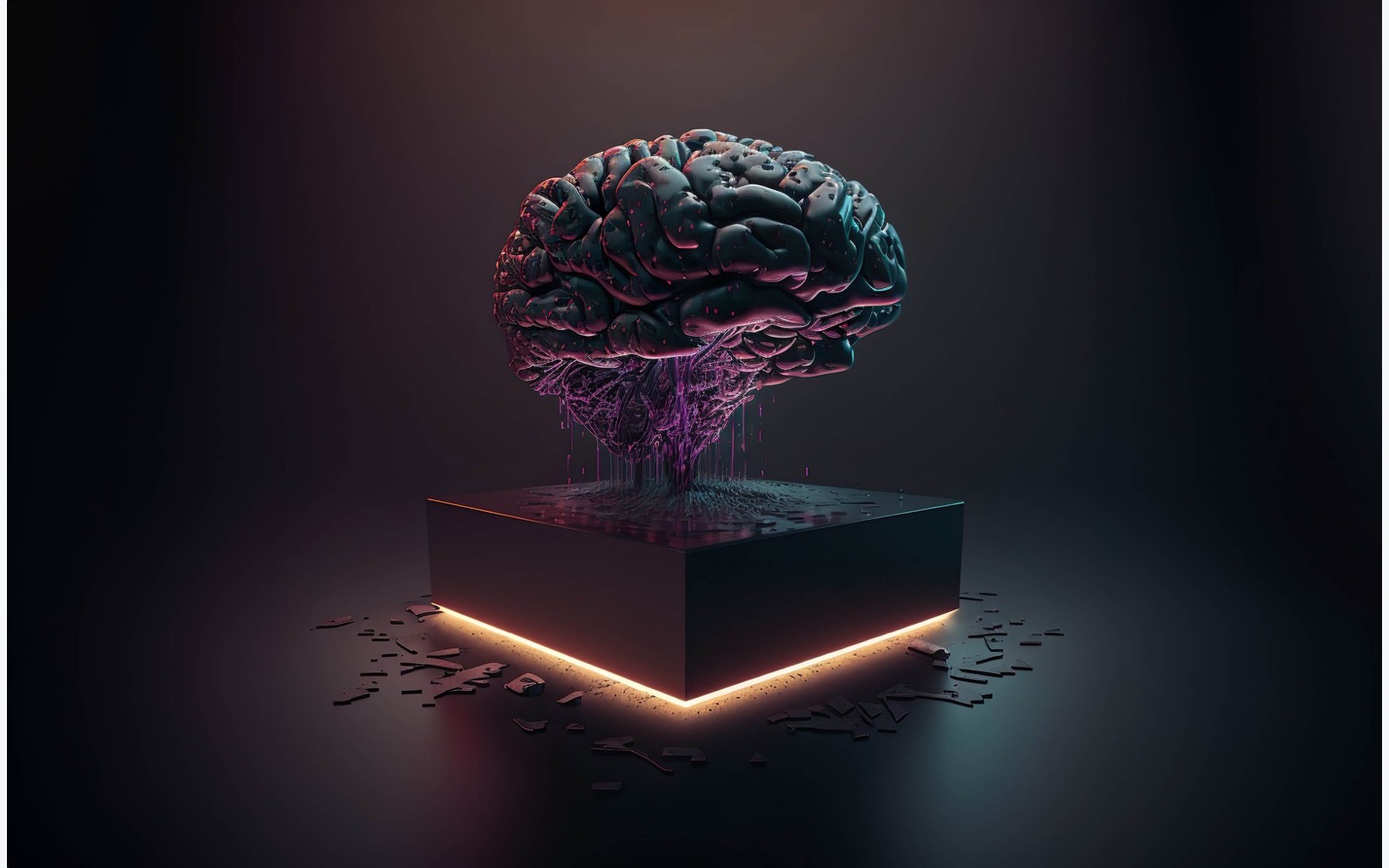
In 2023, as the first major GenAI hype was gaining momentum, I had the opportunity to develop an artificially generated lead image for DER SPIEGEL. Today it almost feels like an early snapshot from the beginning: still raw, but a good starting point for much of what has happened in my work since.

Exhibition / Interview

Cluster London AI Showcase

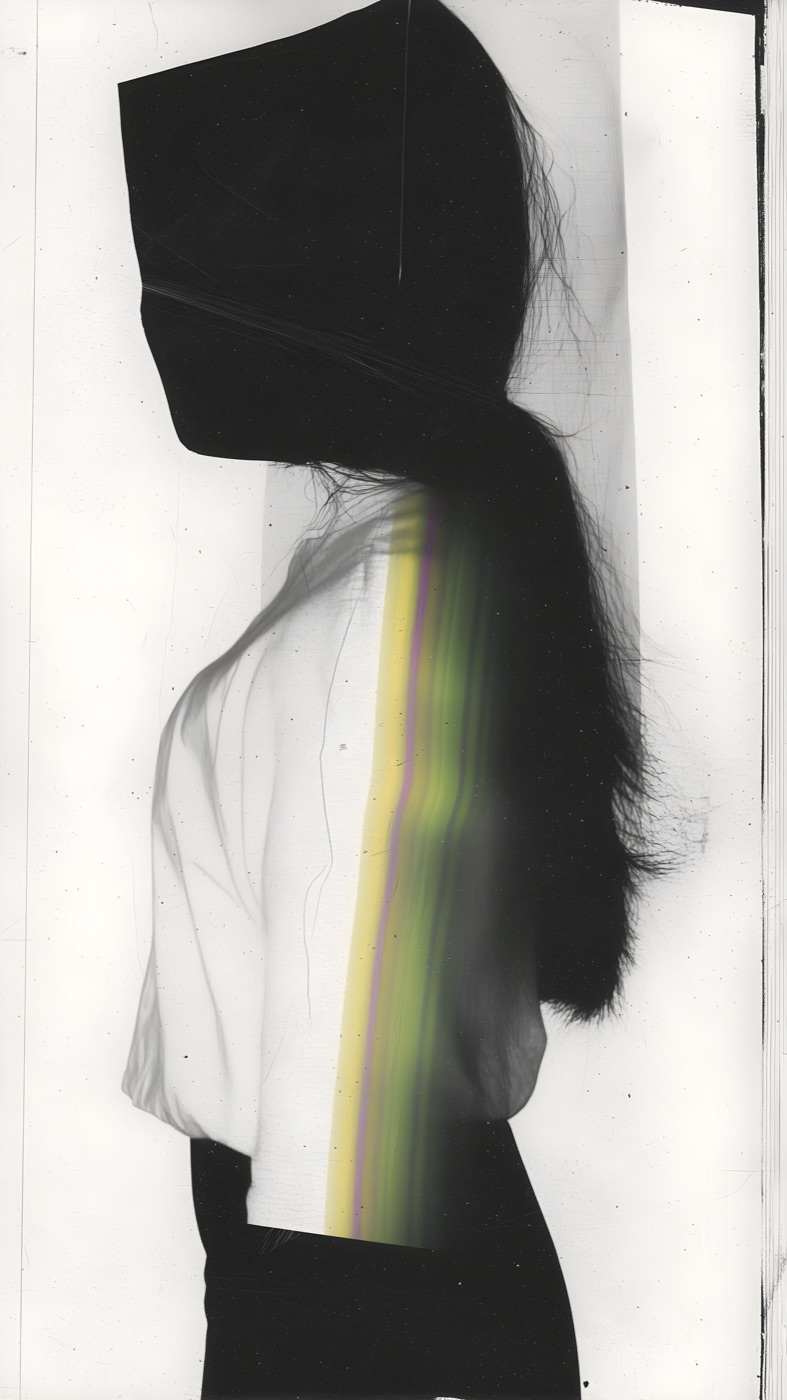
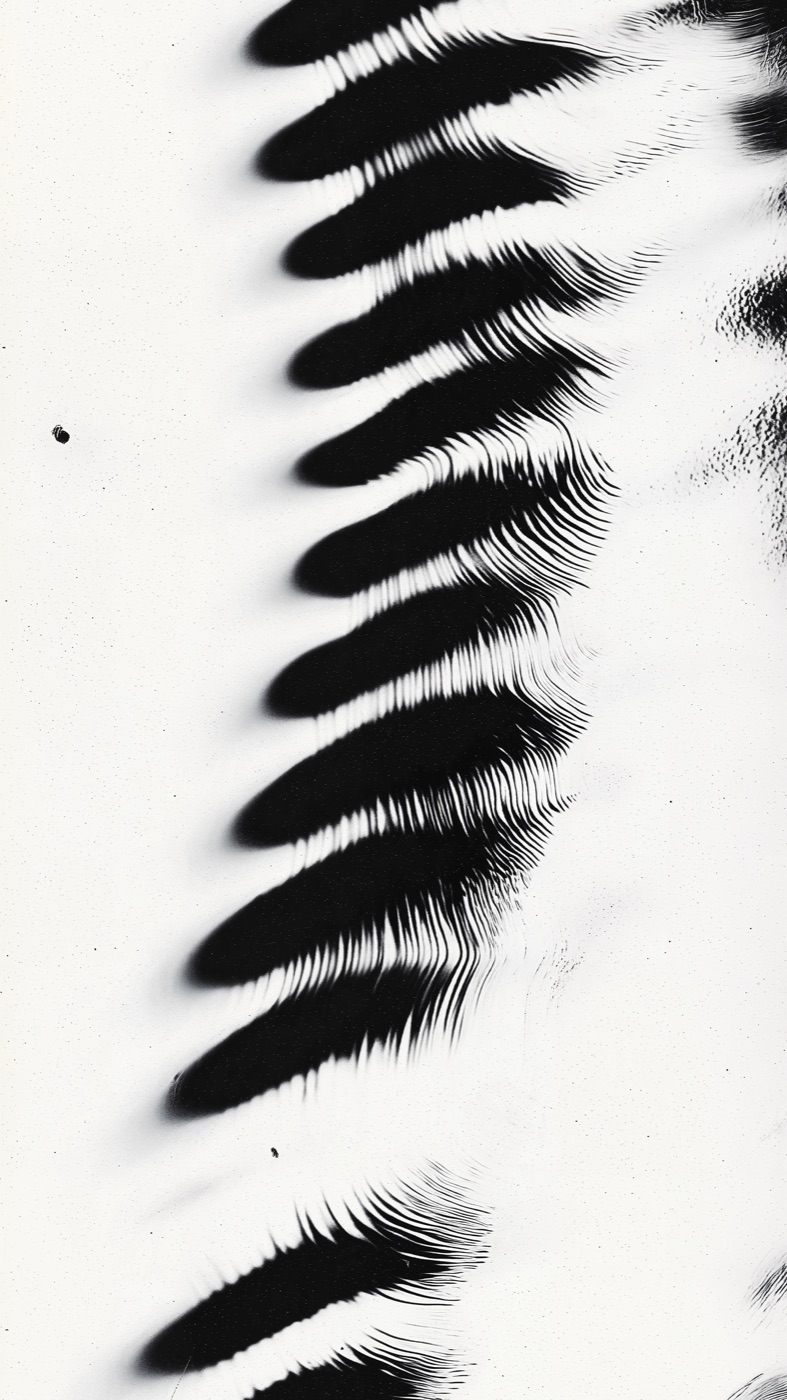
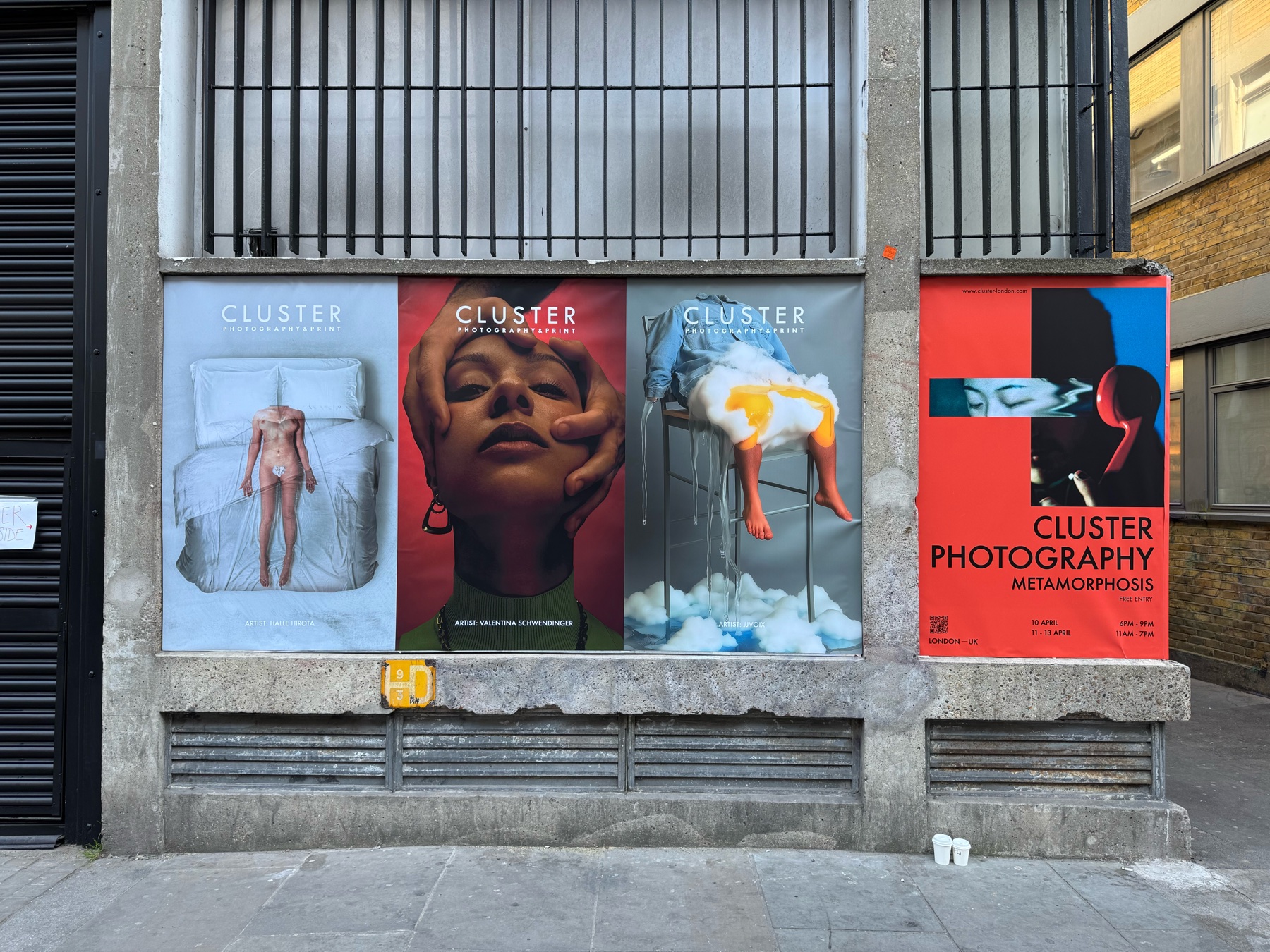
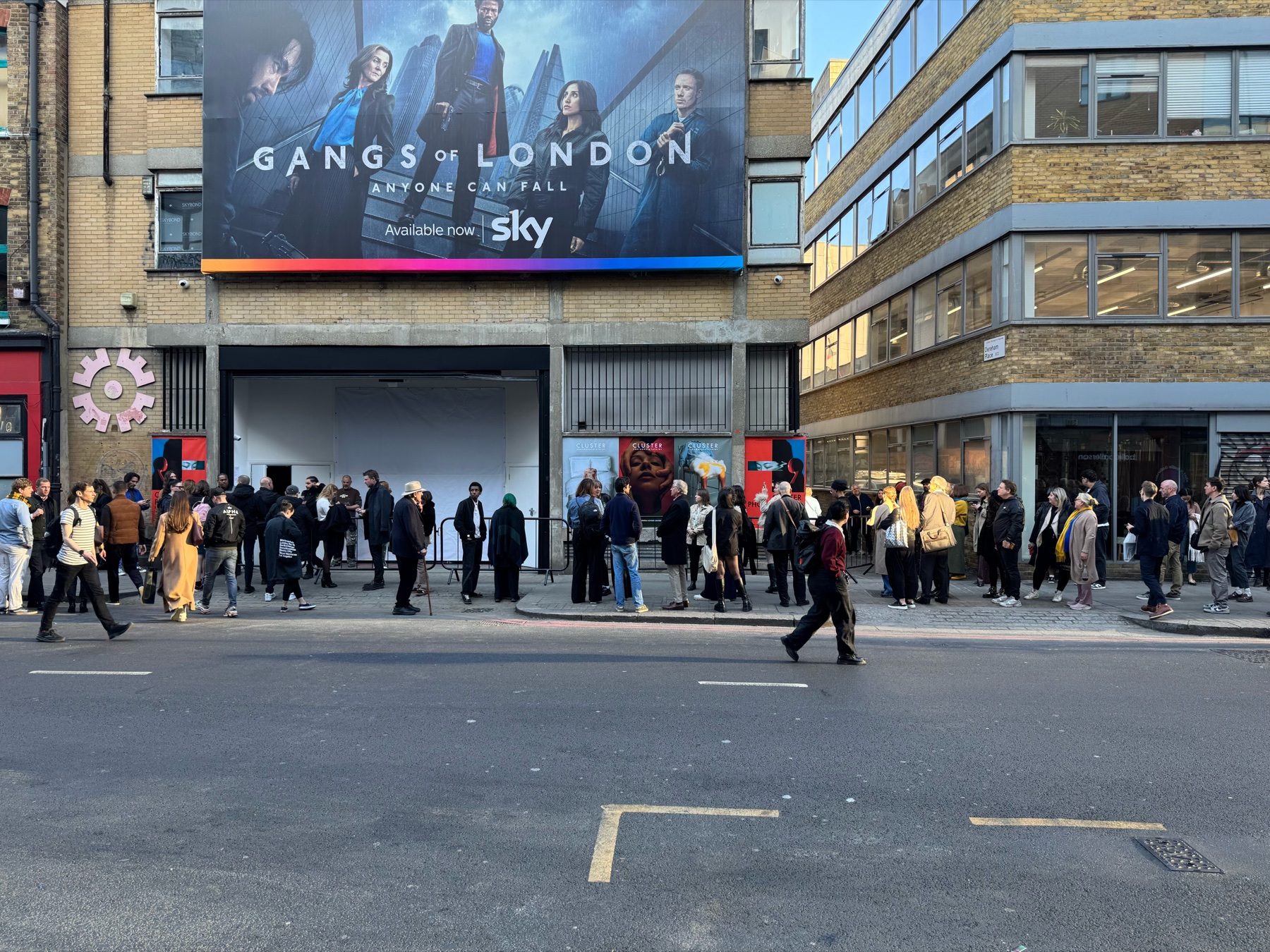
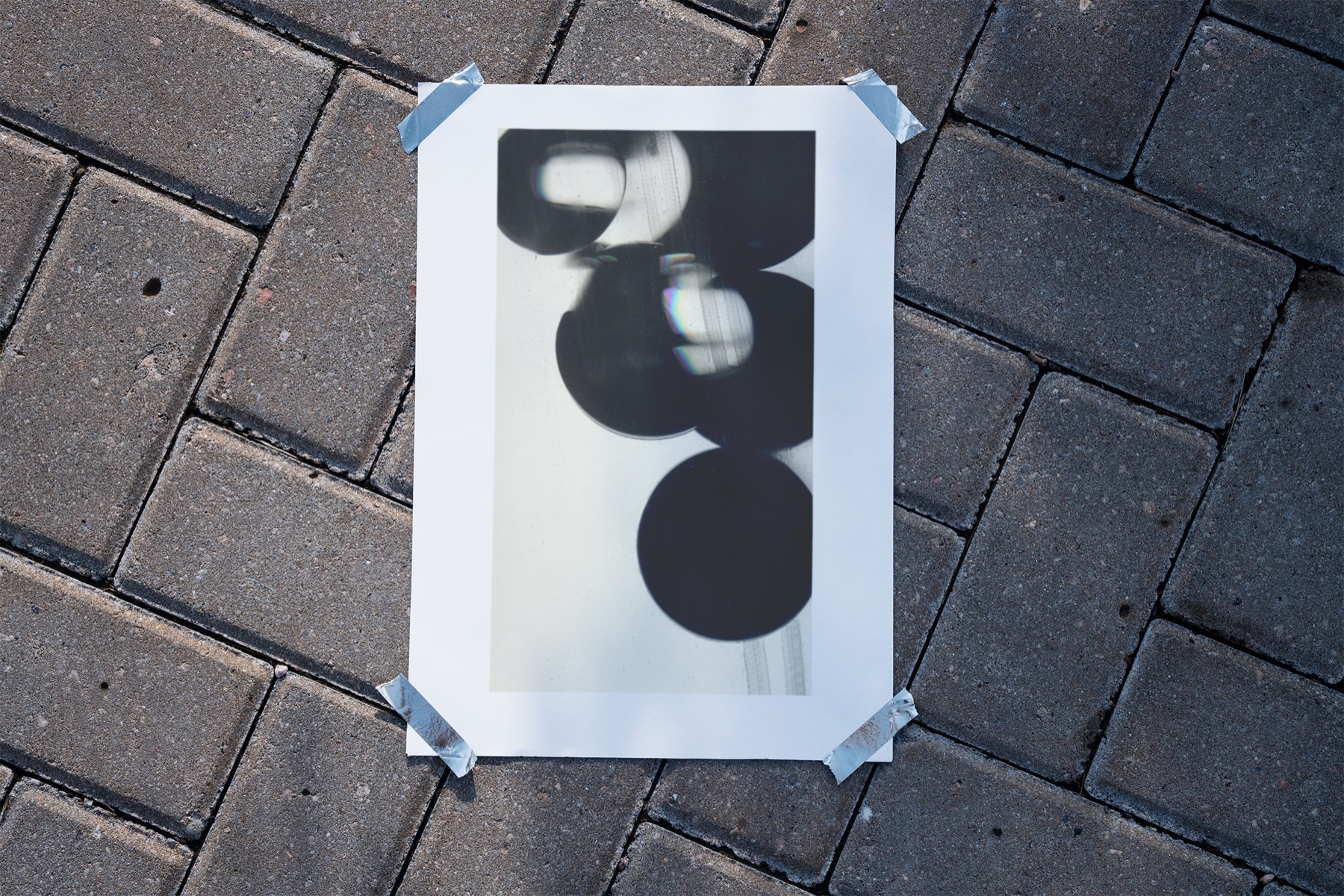
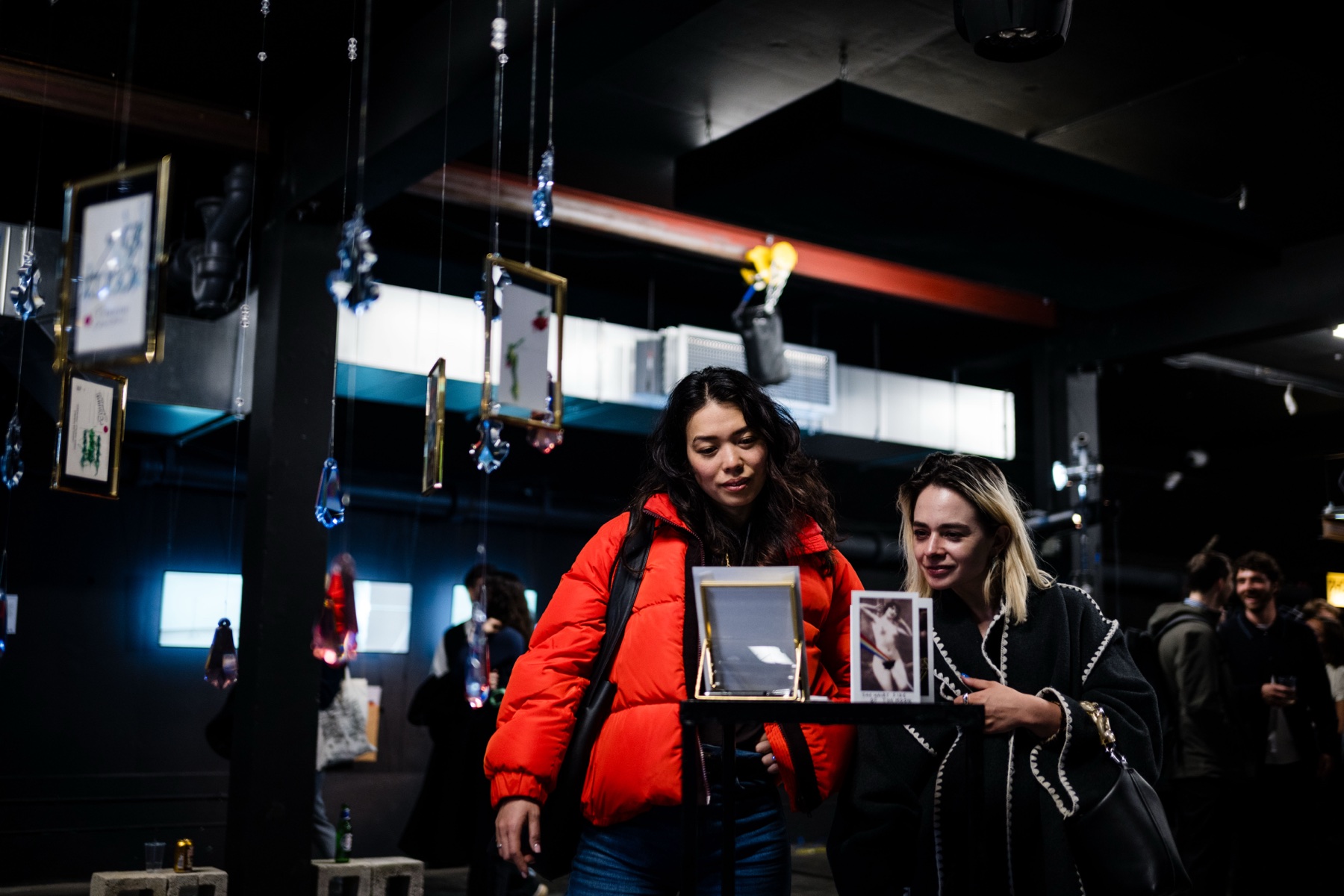
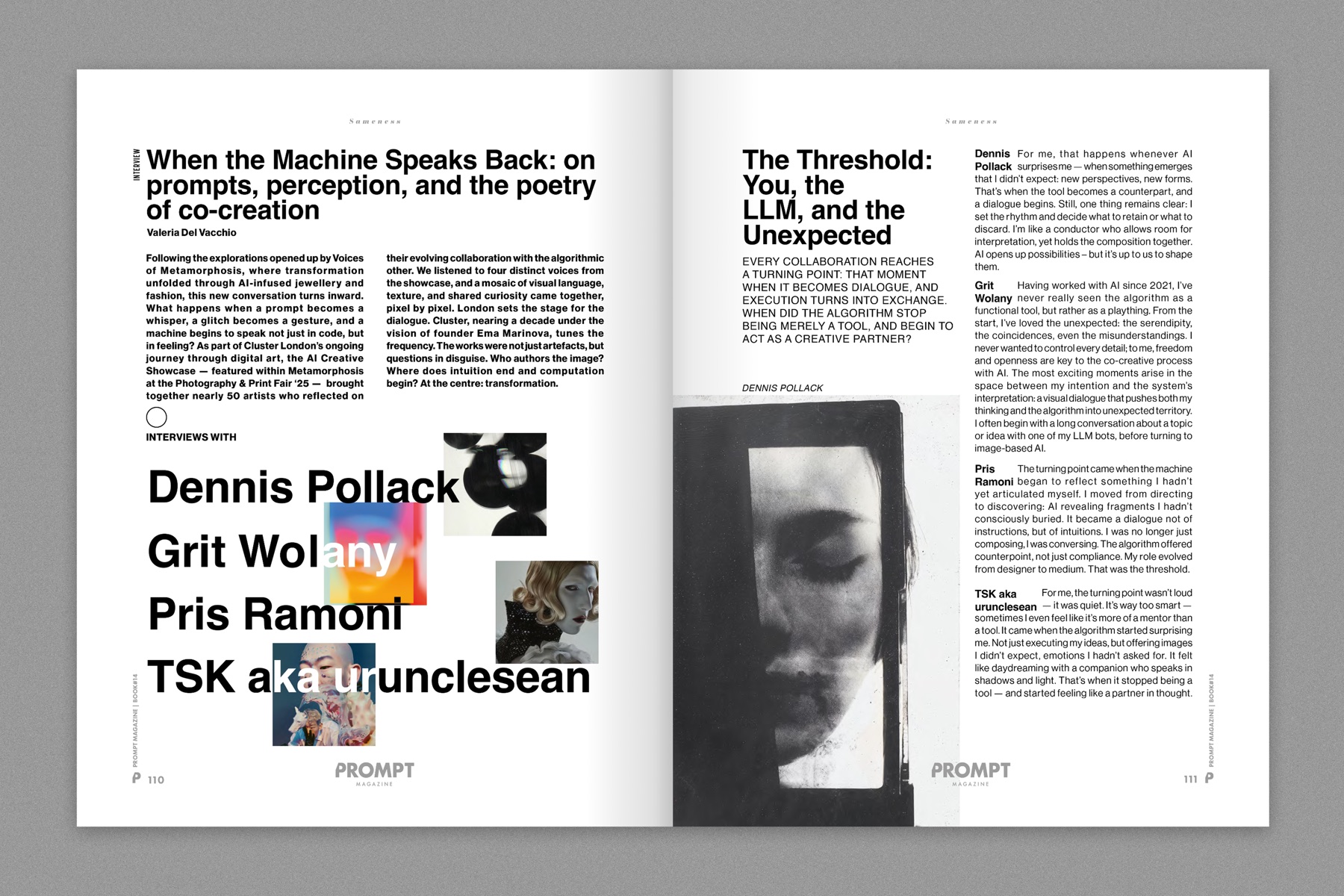
The exhibition is now a little while back, but it remains an important milestone: a selection of my AI work was shown at the Cluster London AI Showcase, followed by an interview in Prompt Magazine (Issue 14). It gave my early work with generative AI a public context between exhibition, publication and professional discourse around AI.

View artist profile at Cluster.

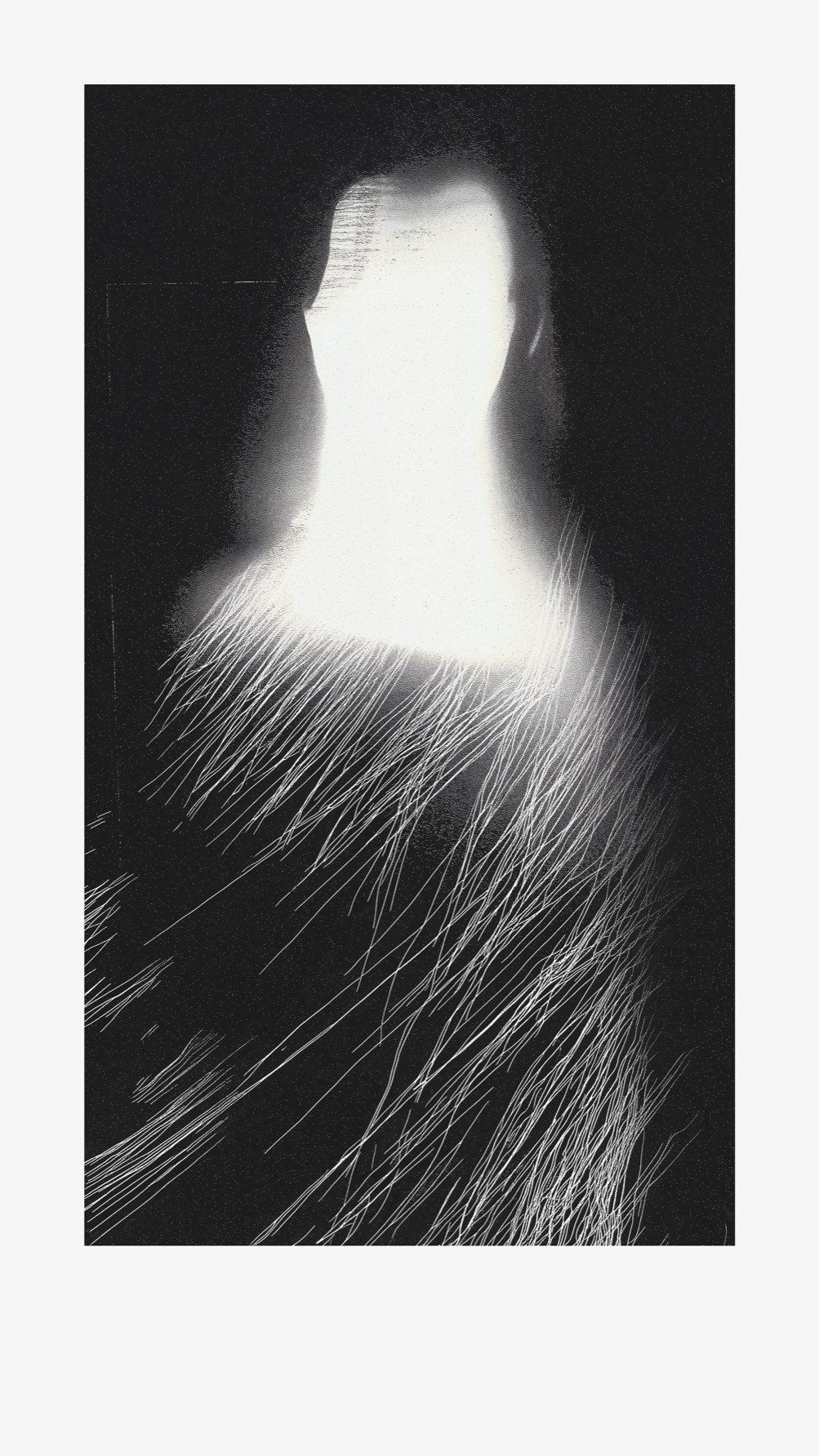
AI-generated work by Dennis Pollack from the Cluster London selection
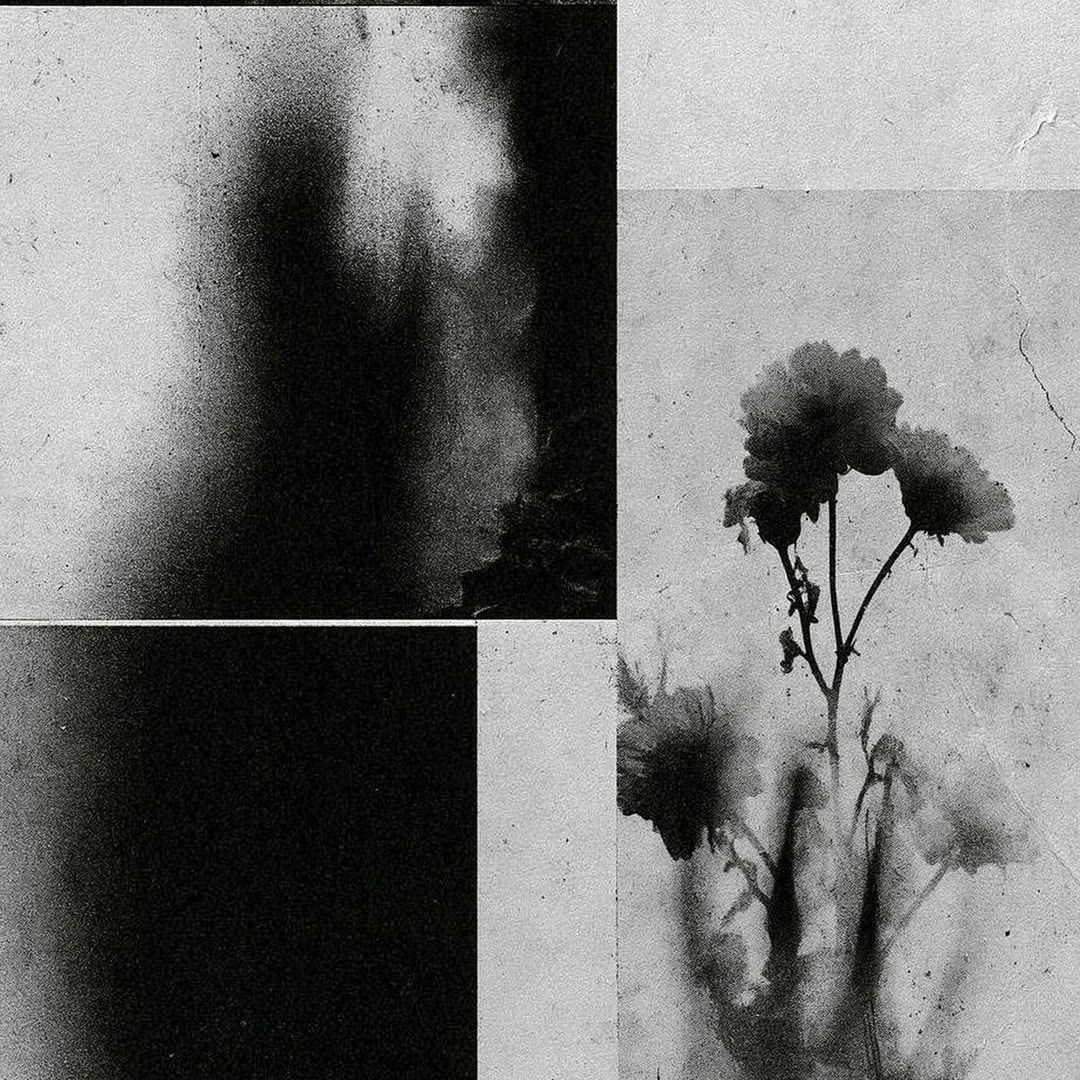
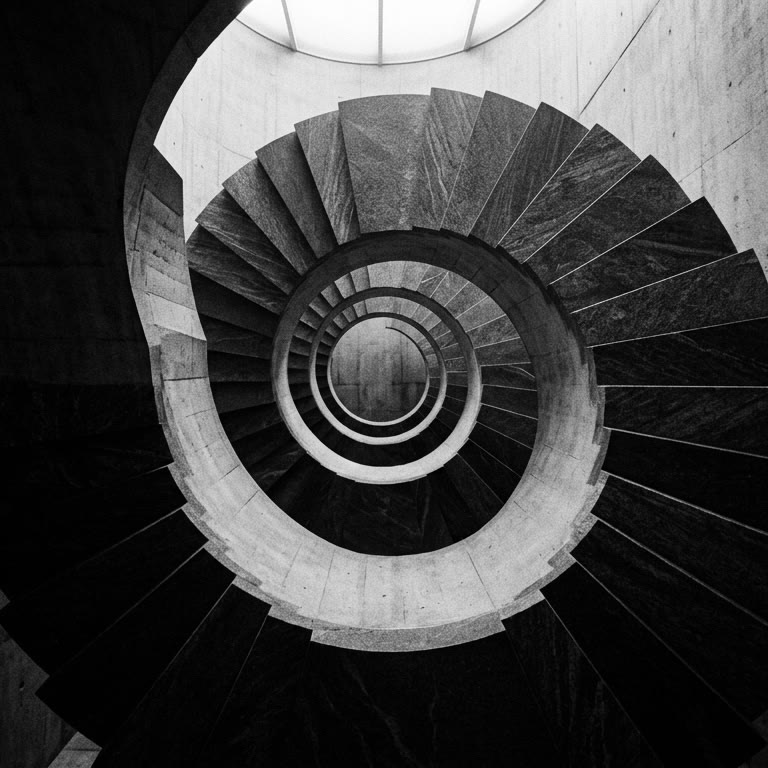
Black-and-white AI graphic from the Cluster London selection
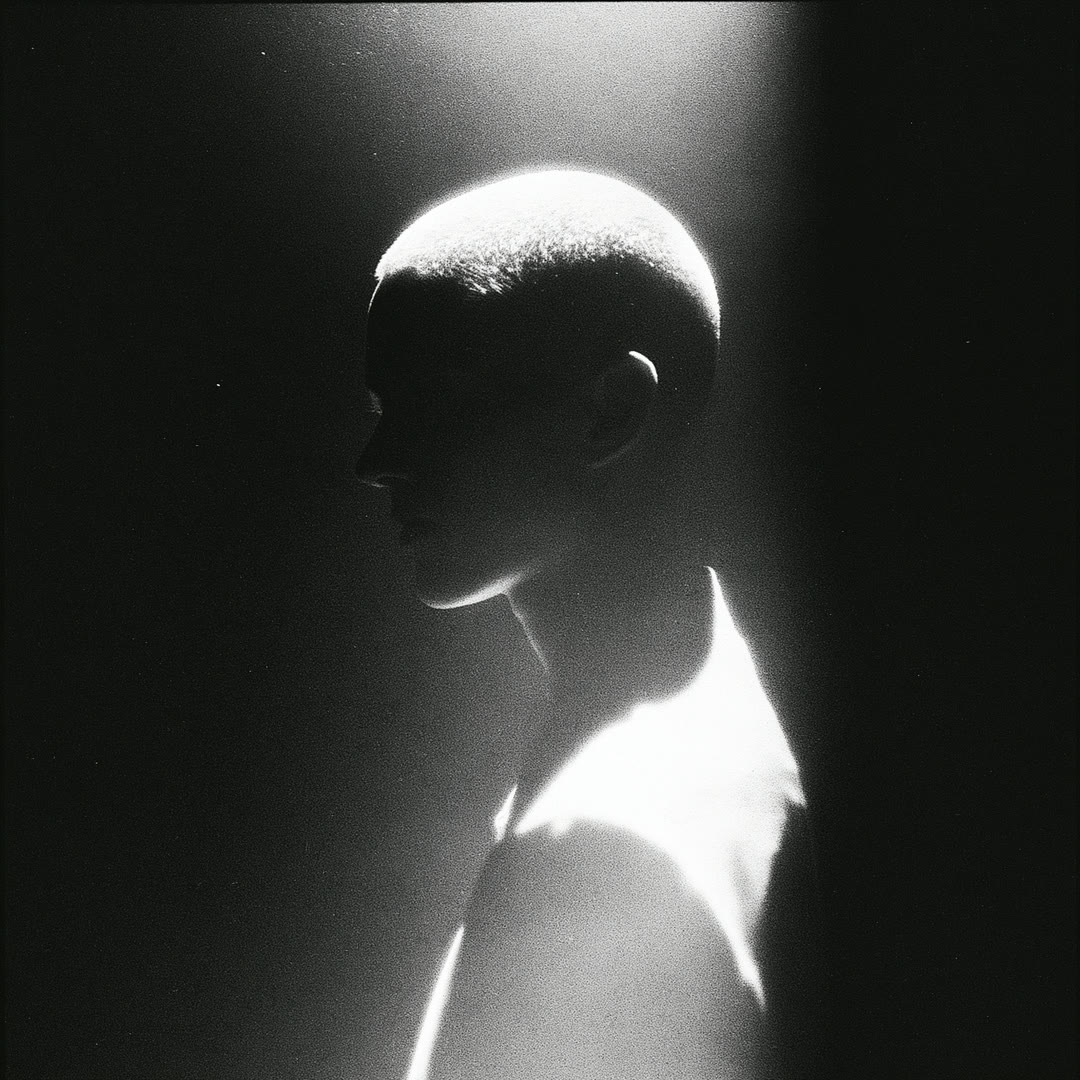
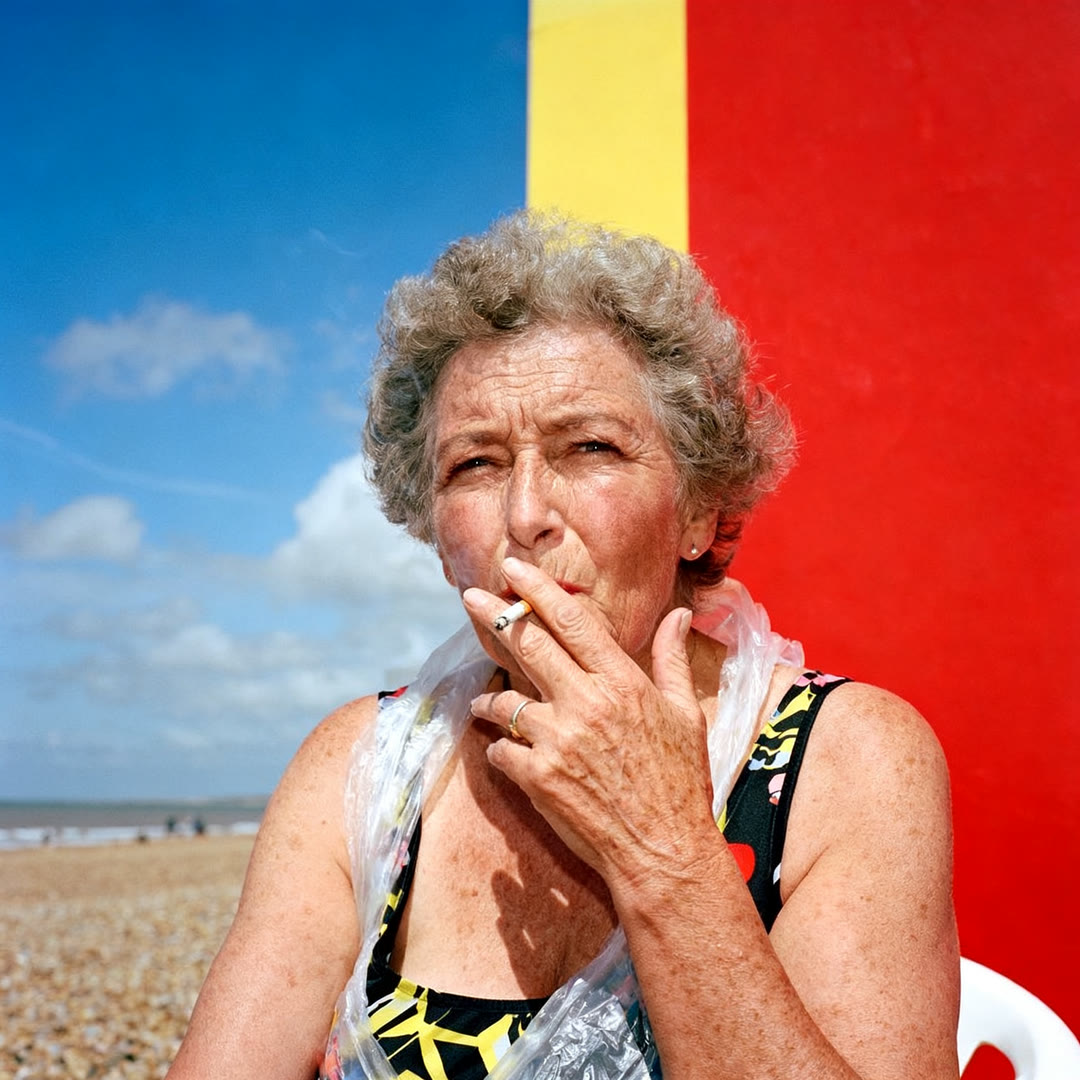
Luminous black-and-white AI portrait from the Cluster London selection
Poster wall of the Cluster Photography and Print exhibition in London
Visitors in front of the Cluster London exhibition
AI print on paving stones in the Cluster London context
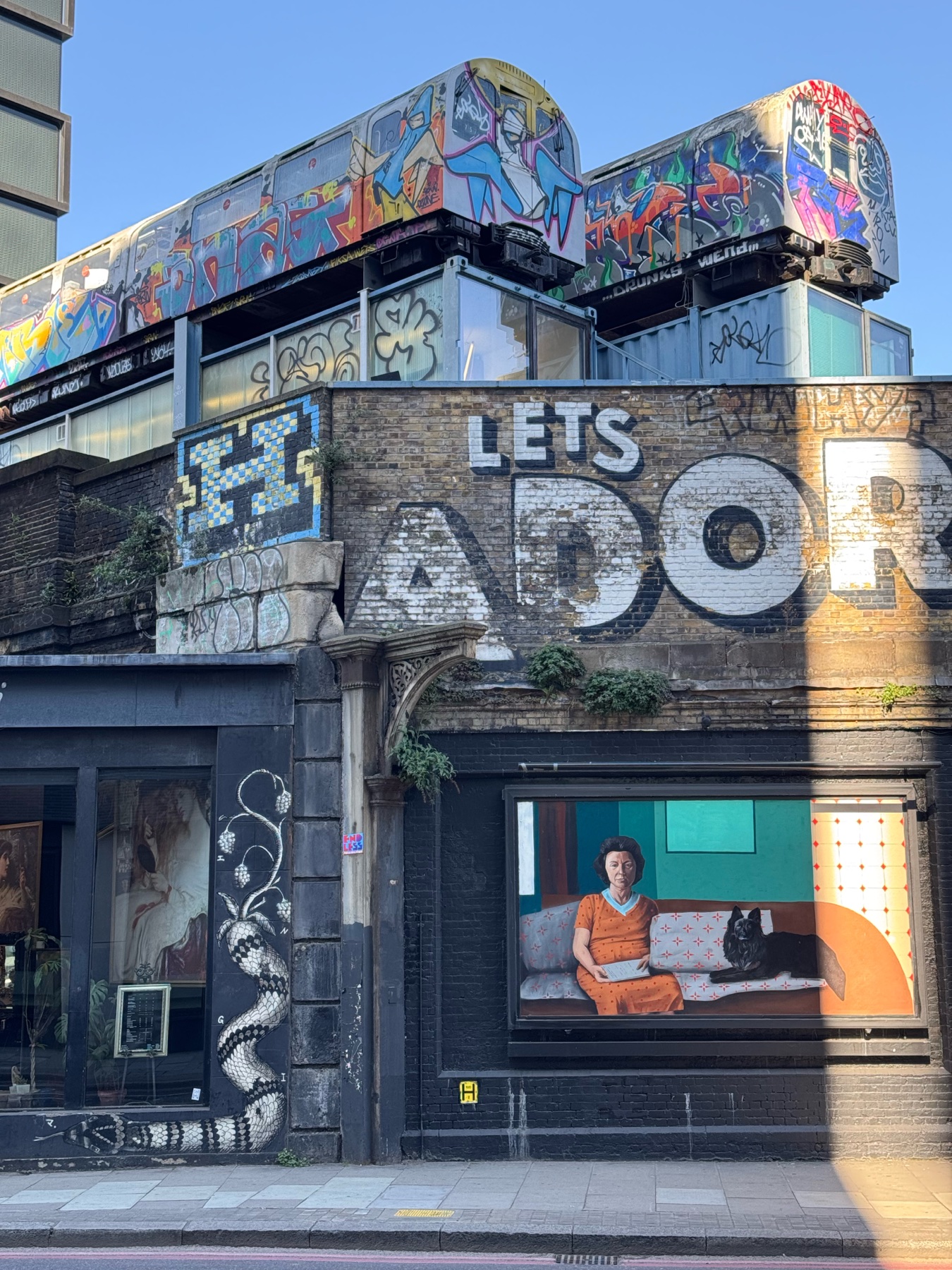
London facade near the Cluster London exhibition
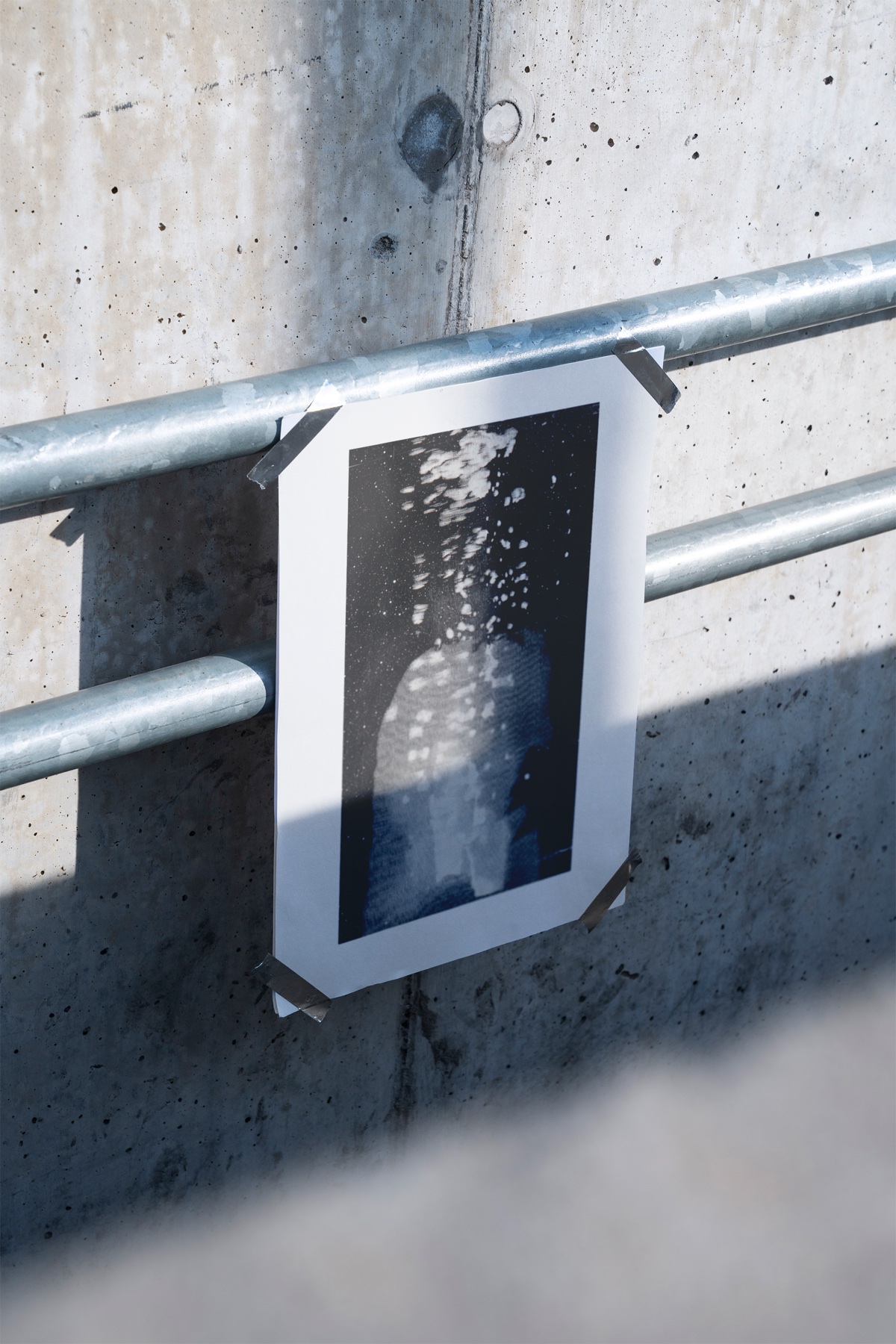
AI print on a concrete wall in the Cluster London context
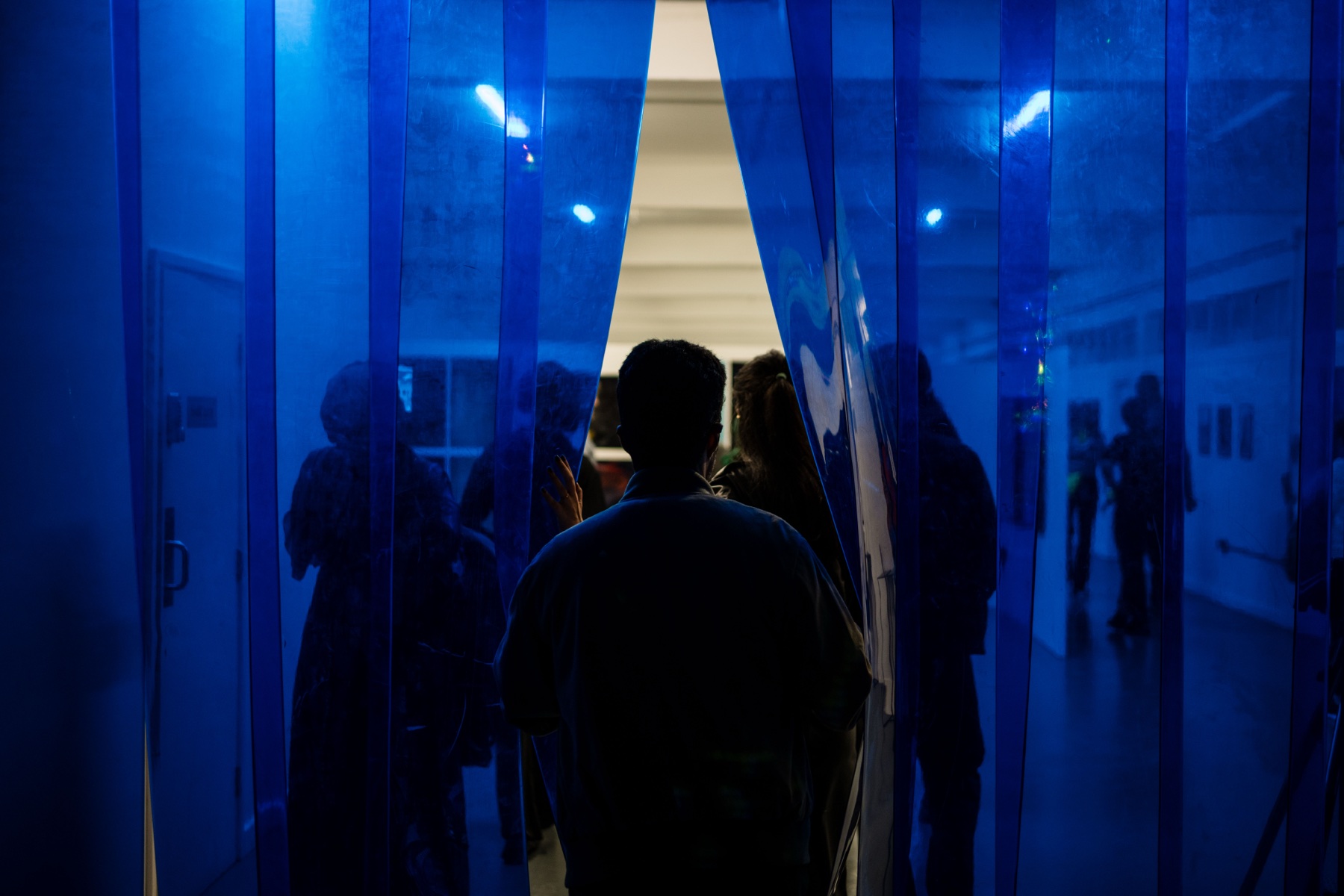
Blue curtain in the Cluster London AI Showcase exhibition space
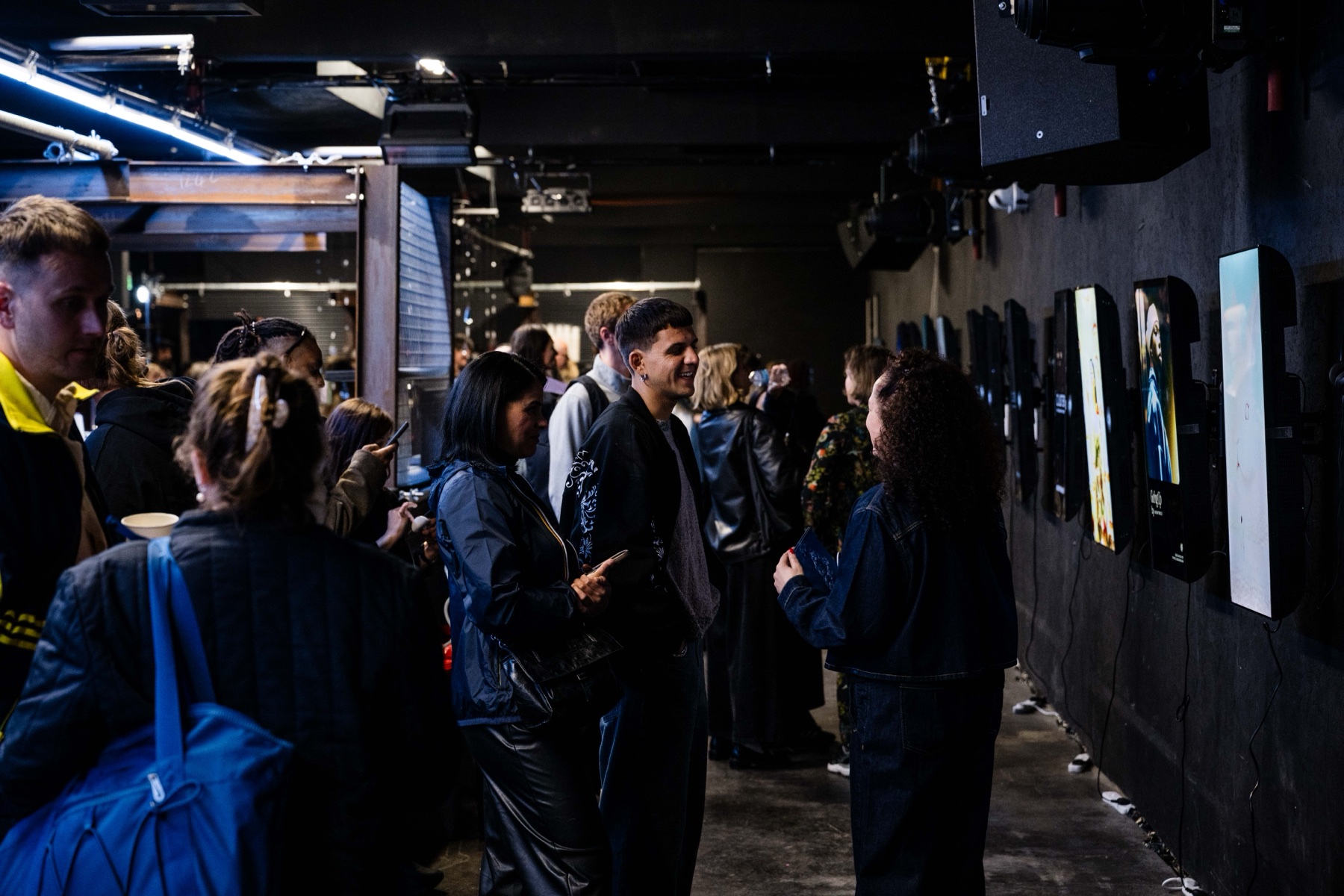
Visitors at the Cluster London AI Showcase
Visitors in front of an installation at the Cluster London AI Showcase
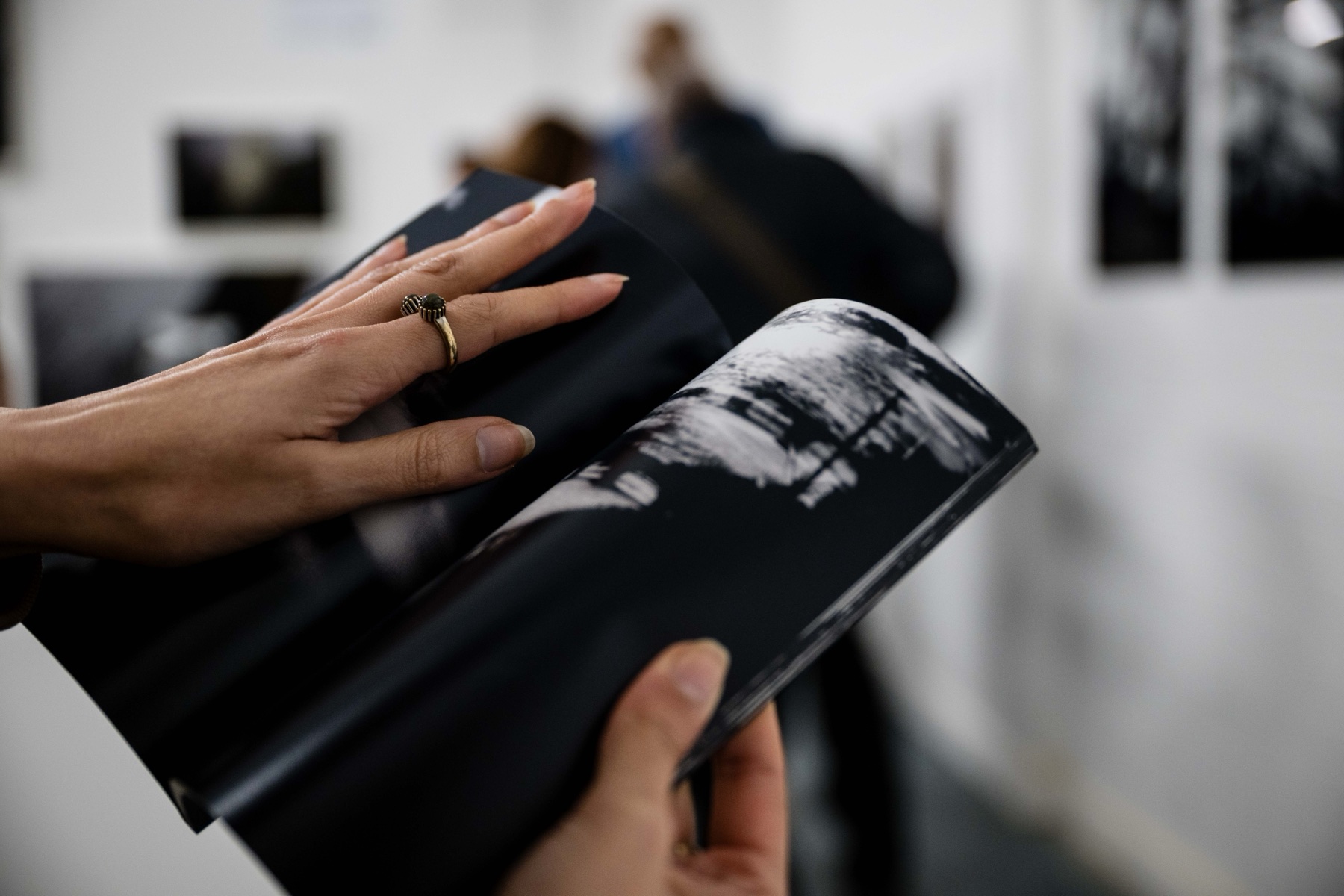
Detail of a printed booklet from the Cluster London context
Prompt Magazine interview with Dennis Pollack about the Cluster London AI Showcase

Vibe Coding Experiment

Espresso:
an interactive guide

A small web experiment showing how quickly a topic, a structure and vibe coding can become a website: with an animated 3D bean, interactive explanation modules and a small extraction simulator.

View Espresso experiment.

I do not use vibe coding only for experiments. At Kirchhoff Team Farner, for example, I used it to contribute to the digital Porsche Annual Report 2025 and to build prototypes. It also helped implement a high-quality report for the Vorwerk Annual Report 2025. Beyond that, it is ideal for pitches: an idea can be shown as a polished prototype instead of merely being described.

Generative Range

One tool, countless directions.

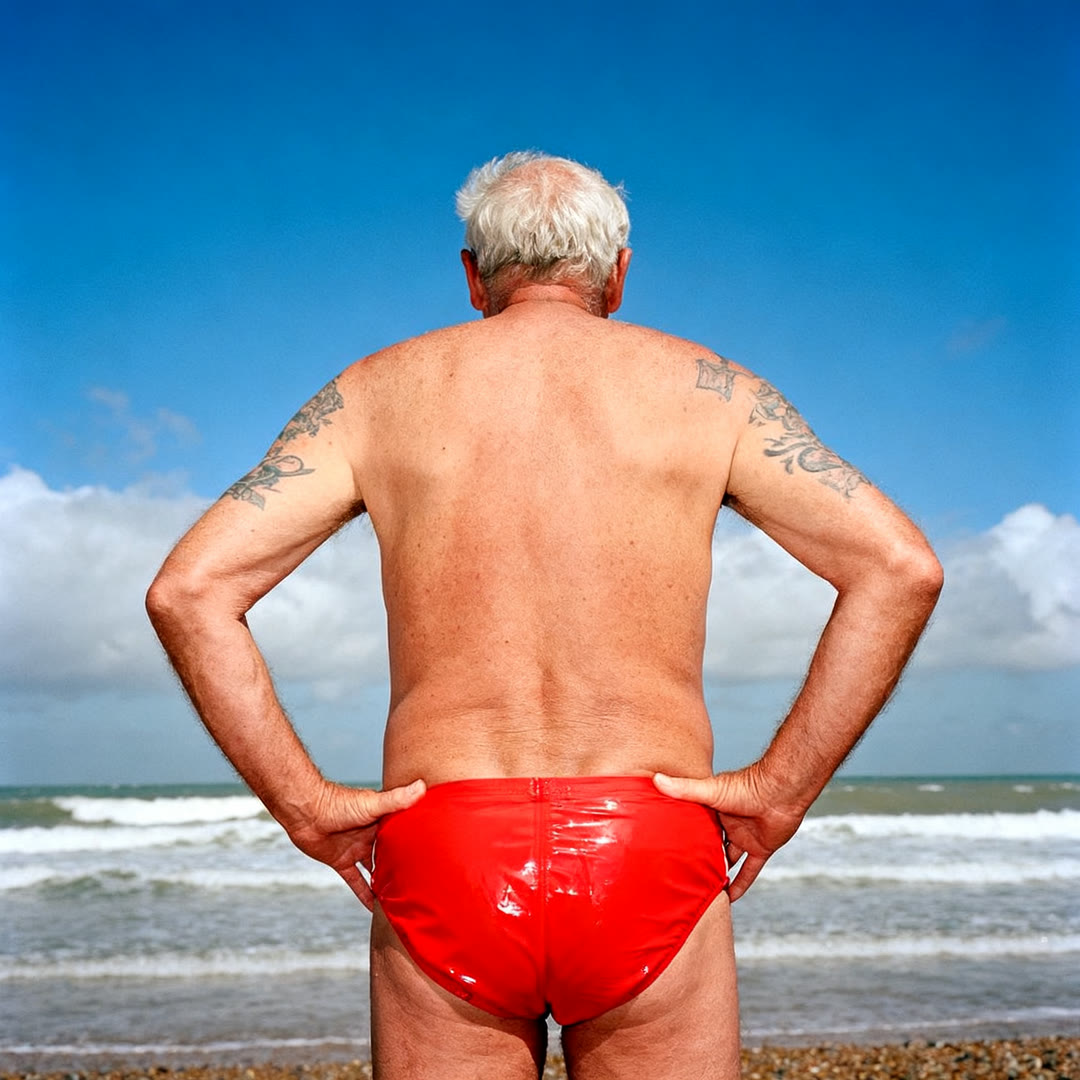
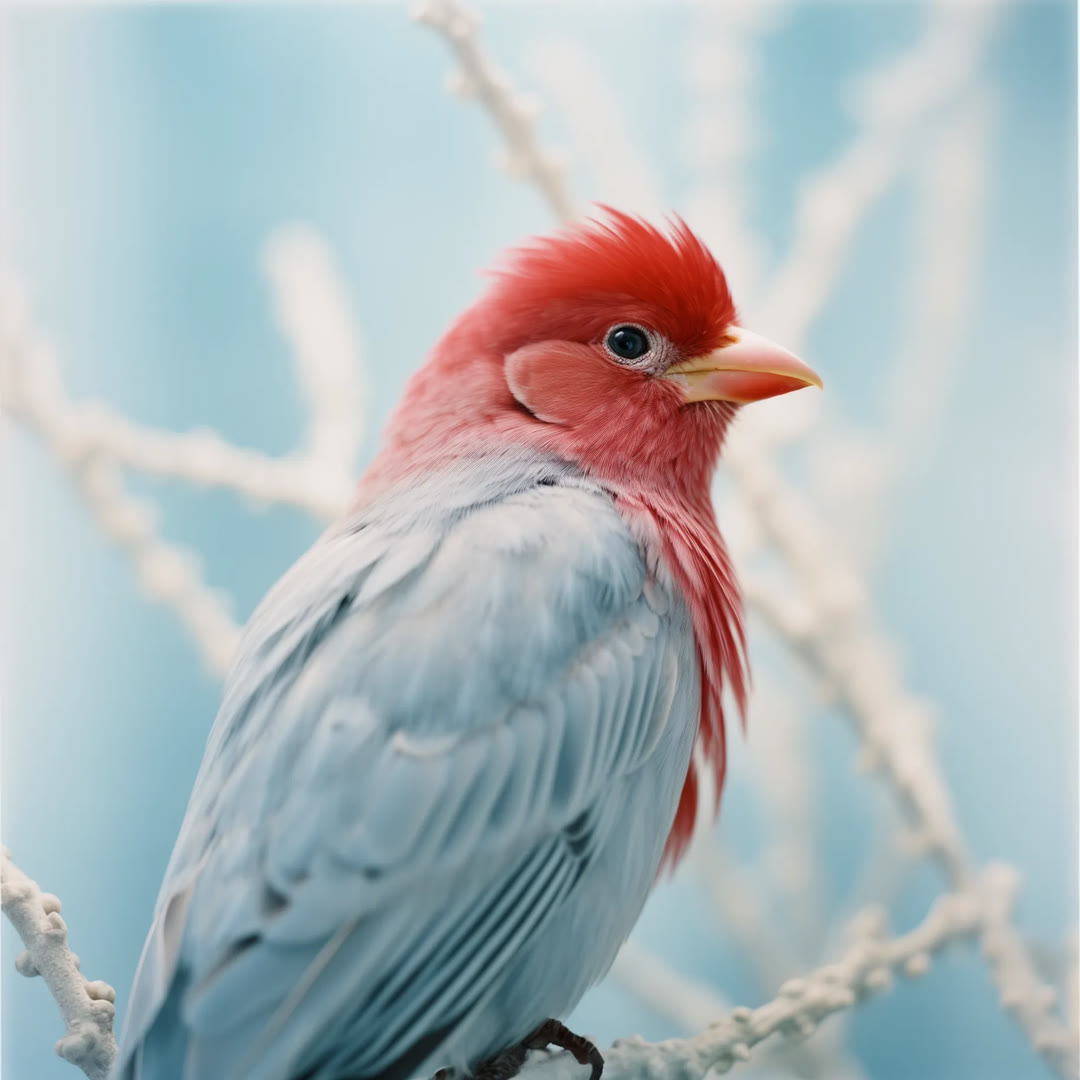
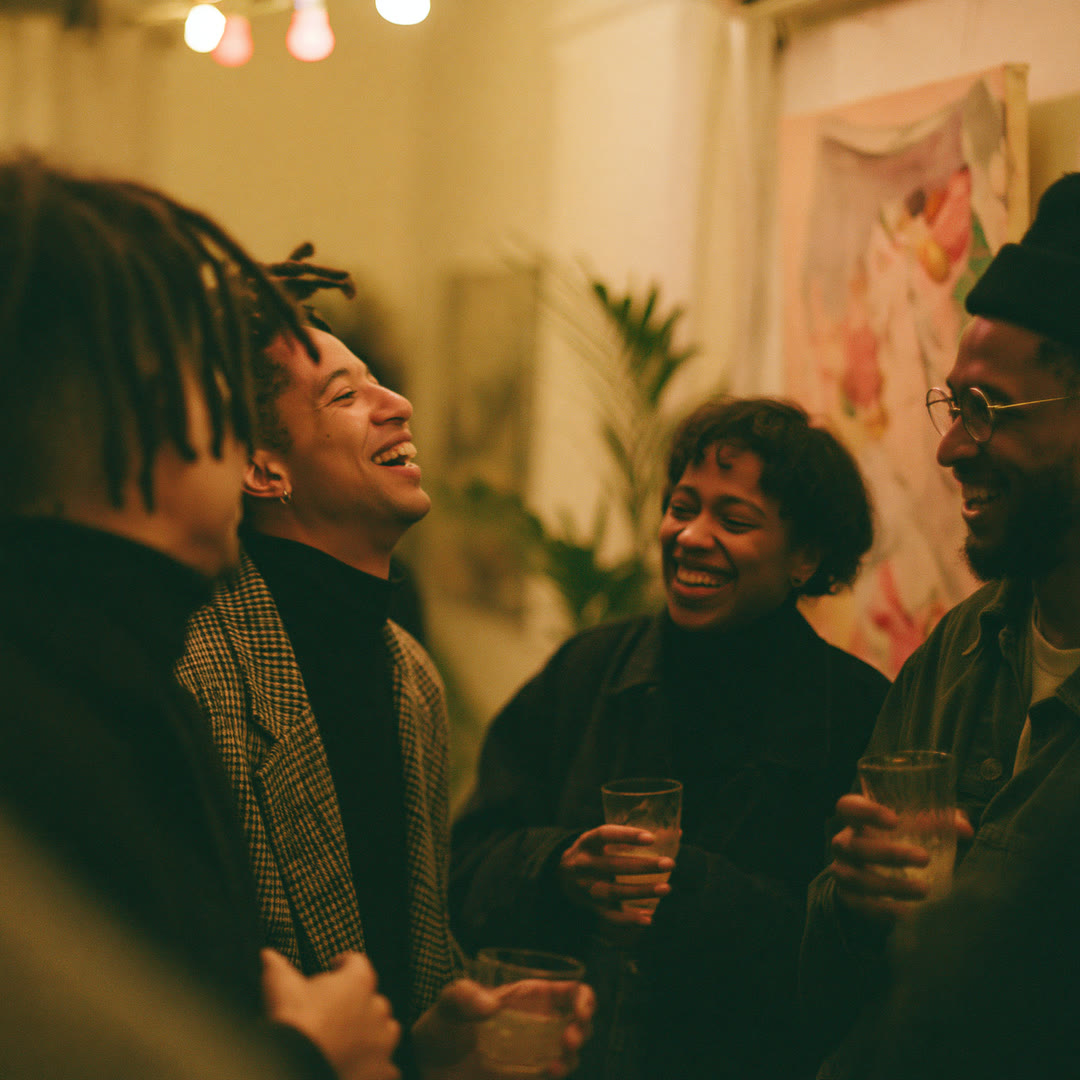
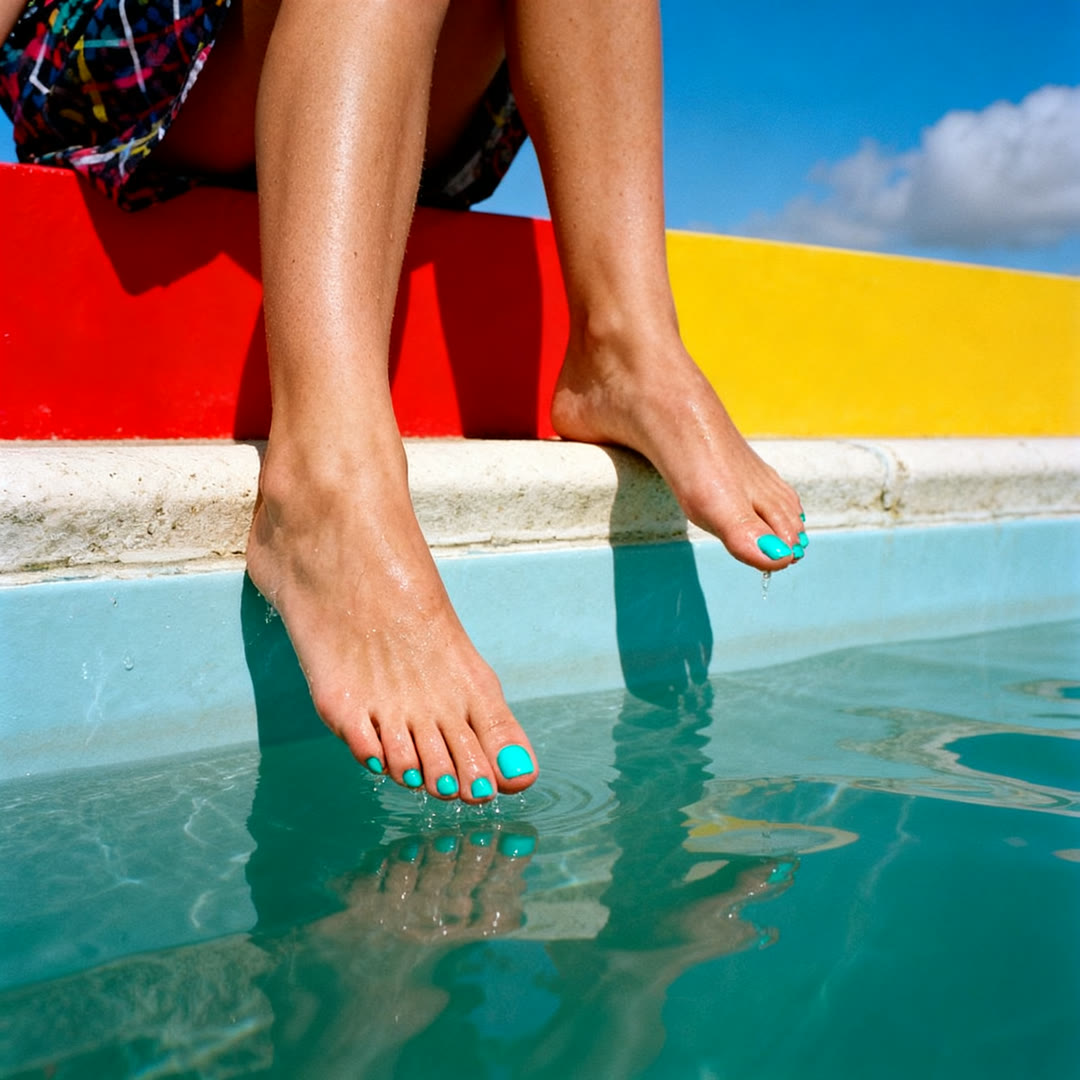
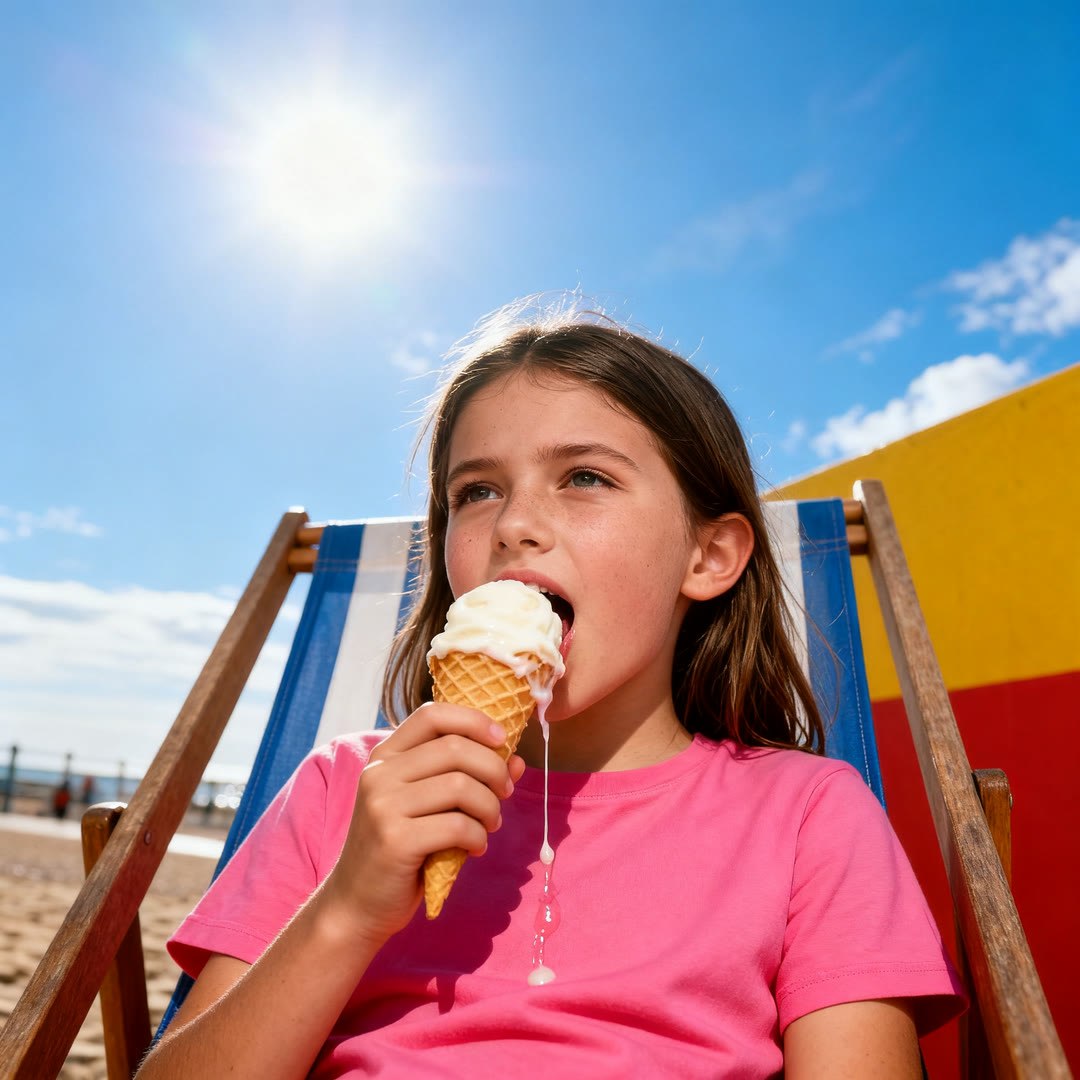
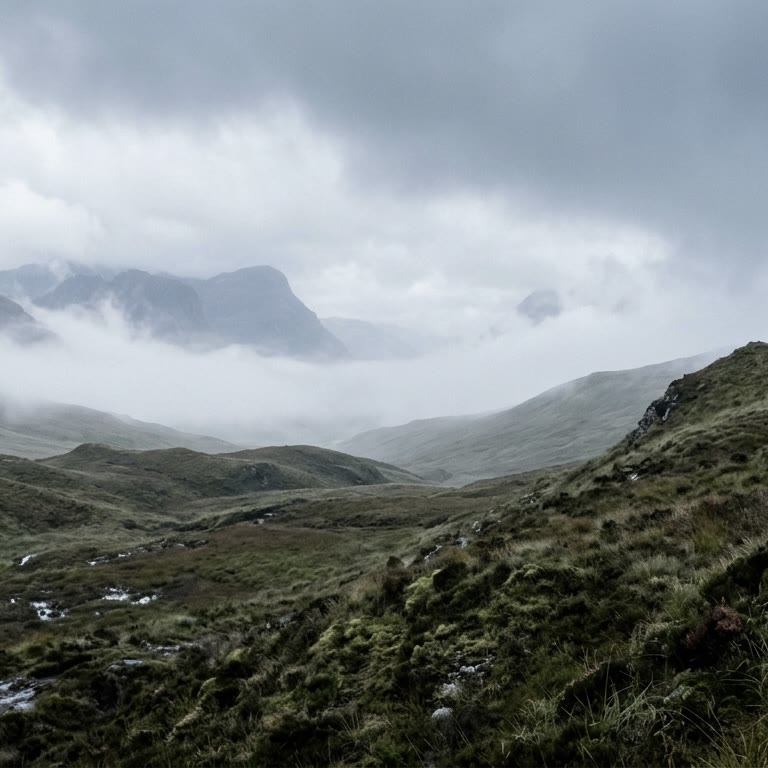
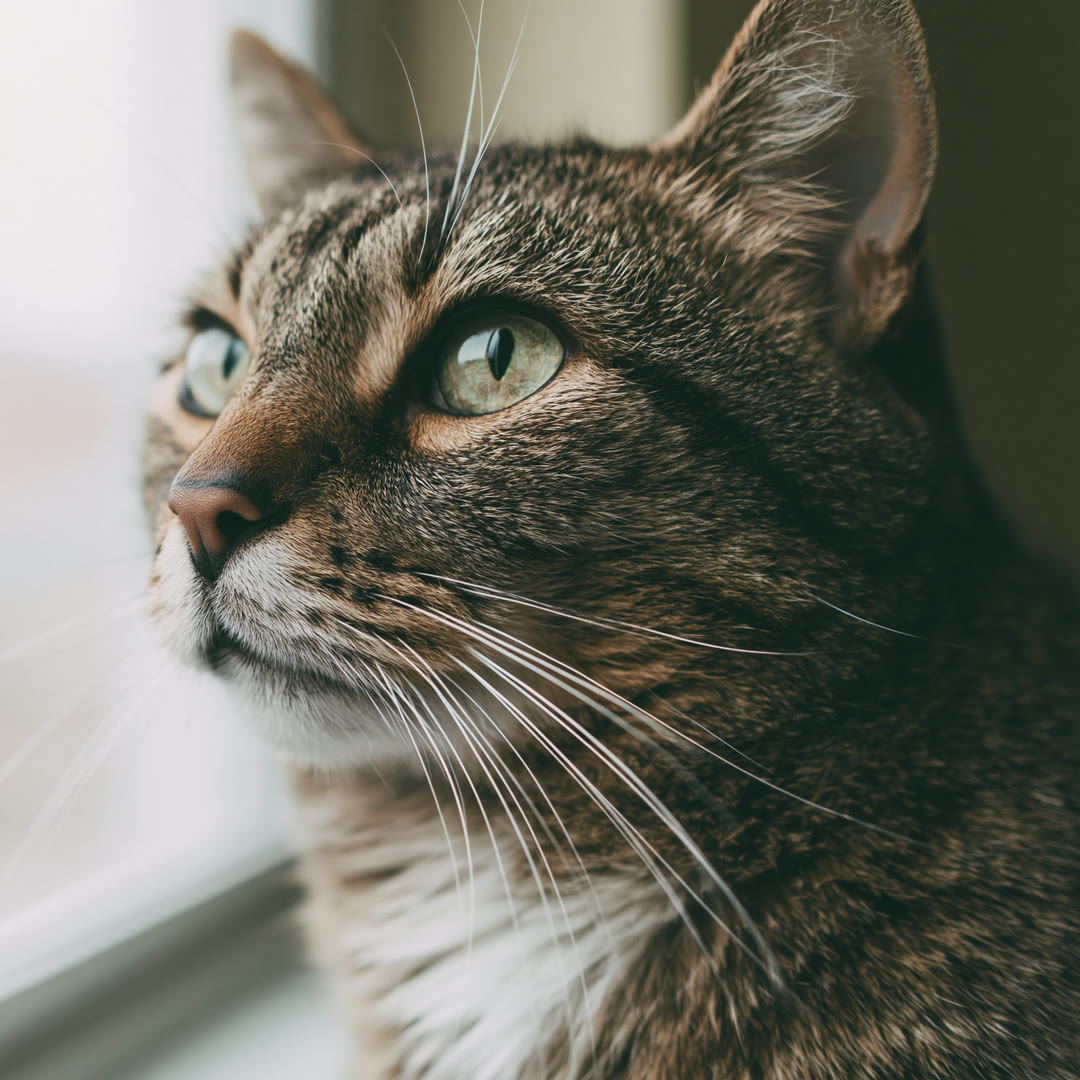
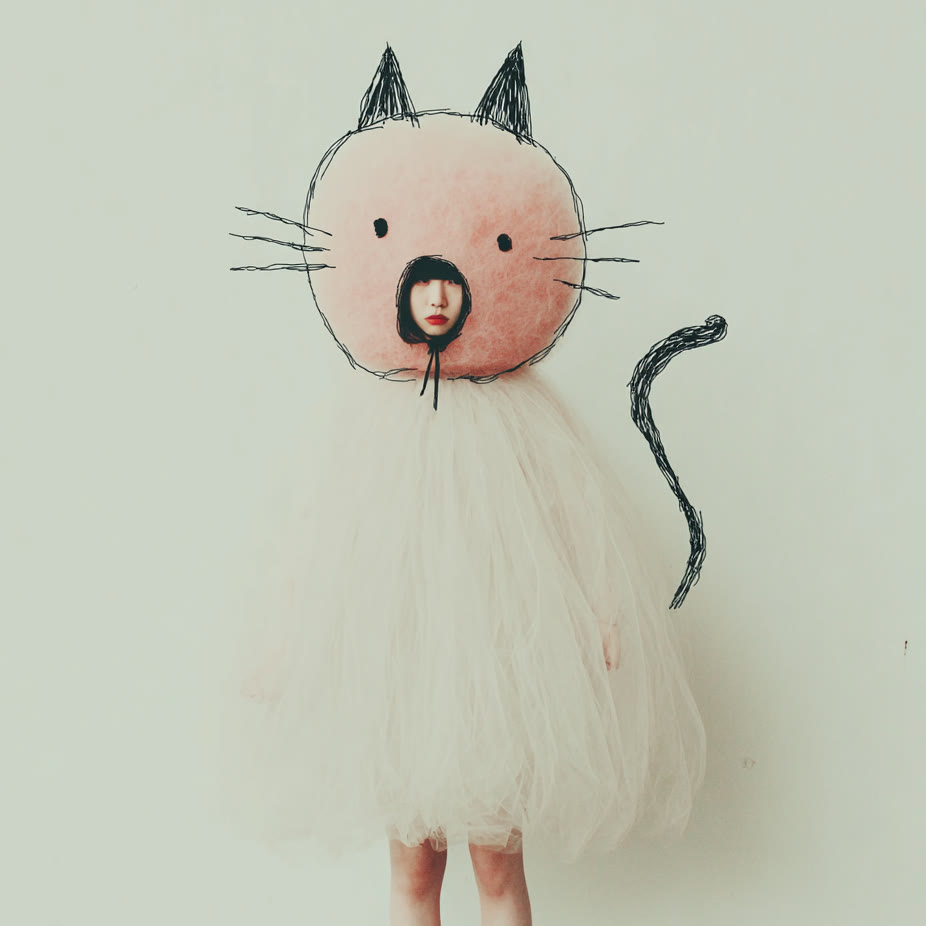
Style, subject, mood and light can be freely chosen: photorealistic or illustrative, quiet or bold, from a single image to a full series. Not a fixed look, but an open tool for very different outcomes.

And it does not stop at images. Generative AI now reaches far beyond a single format.

  • Virtual photo shoots
  • Product visualization
  • Storyboards
  • Generative videos
  • AI post-production
  • Avatars and digital people
  • Voice-over
  • Music and sound design
  • 3D
  • Digital product twins
  • Content Repurposing
  • Automated campaign variants
  • Personalized media
  • Custom production workflows
  • Vibe Coding
  • High-end prototypes

In the end, the idea decides, not the tool.

Generative AI can accelerate, expand and scale design. But the real value does not come from the tool. It comes from direction, judgment and a clear idea of what should be created.

Ready to
dive in?